Every winter, the warm waters of Banderas Bay become one of the most spectacular wildlife destinations in Mexico. Thousands of visitors travel to Puerto Vallarta hoping to witness one of nature’s most incredible events: the arrival of humpback whales.
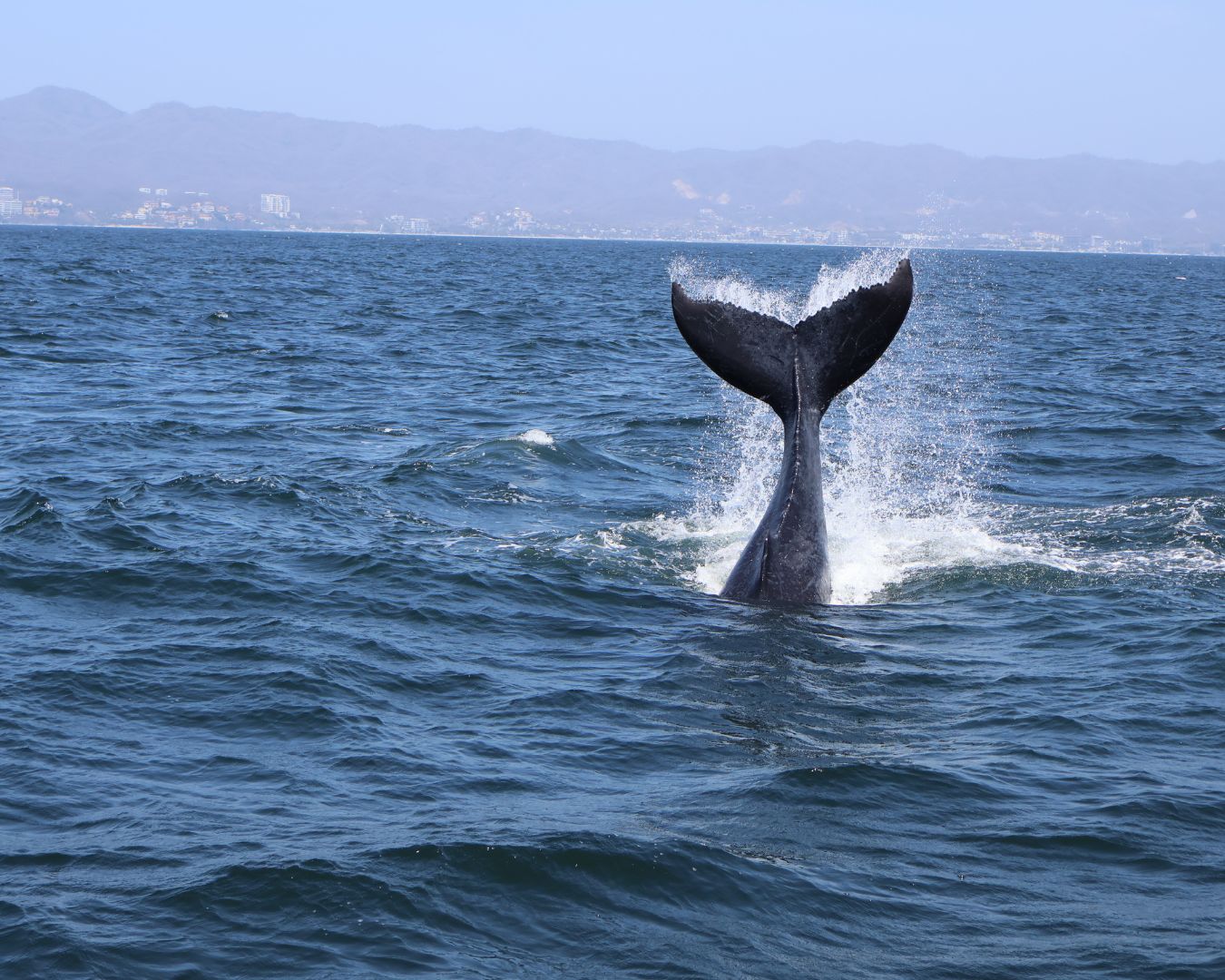
From powerful breaches and tail slaps to the unforgettable songs of male whales beneath the surface, whale watching in Puerto Vallarta offers a rare opportunity to observe these magnificent marine mammals in their natural habitat.
If you’re planning a trip to Puerto Vallarta and wondering when whale watching season begins, what months offer the best sightings, and how to choose the right tour, this guide will answer everything you need to know.
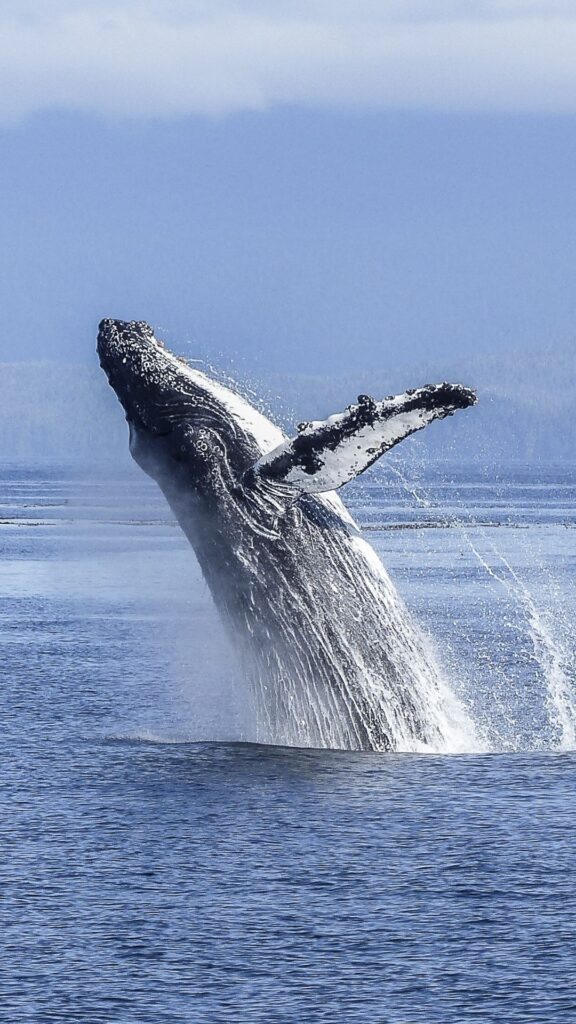
Why Do Whales Come to Puerto Vallarta?
Each year, humpback whales migrate thousands of miles from the cold feeding grounds of Alaska, British Columbia, and the northern Pacific Ocean to the warm waters of Mexico’s Pacific Coast.
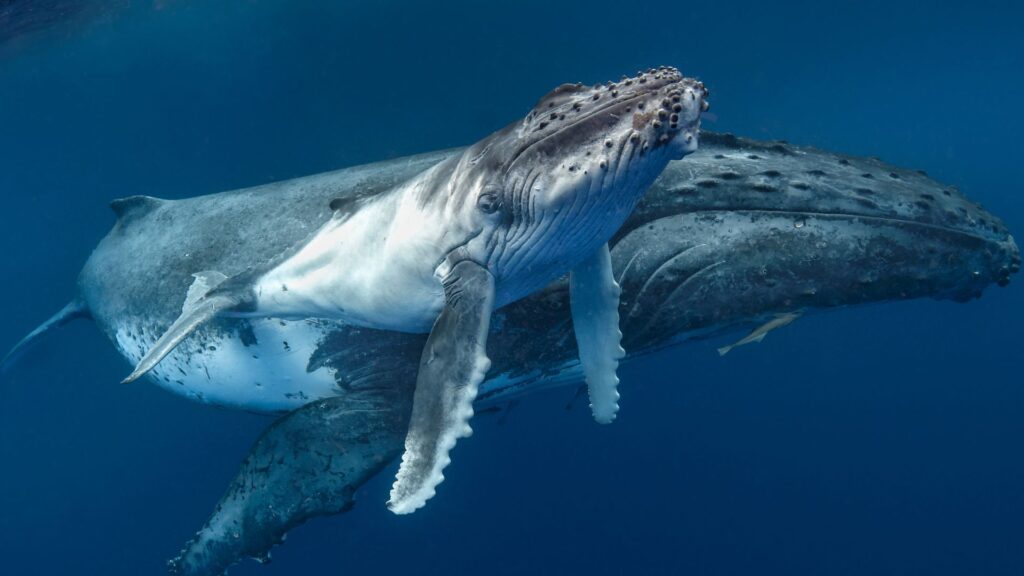
Banderas Bay provides ideal conditions for these whales because the water is warmer, calmer, and safer for breeding, mating, and giving birth to their calves.
Unlike their northern feeding grounds, whales do very little feeding during their stay in Mexico. Instead, they focus on reproduction and caring for newborn calves before beginning their long journey north again in spring.
This annual migration is one of the largest mammal migrations on Earth and has made Puerto Vallarta one of the most popular whale-watching destinations in Mexico.
Why Do Whales Come to Puerto Vallarta?
When Is Whale Watching Season in Puerto Vallarta?
Official whale watching season in Puerto Vallarta typically runs from December 8 through March 23, following regulations established to protect humpback whales during their migration and breeding period.
However, whale activity can vary slightly each year.
Early Season (December)
December marks the arrival of the first whales into Banderas Bay. During this period, sightings become increasingly frequent as more whales reach the region.
Visitors may observe:
- Adult whales arriving from northern waters
- Breaching behavior
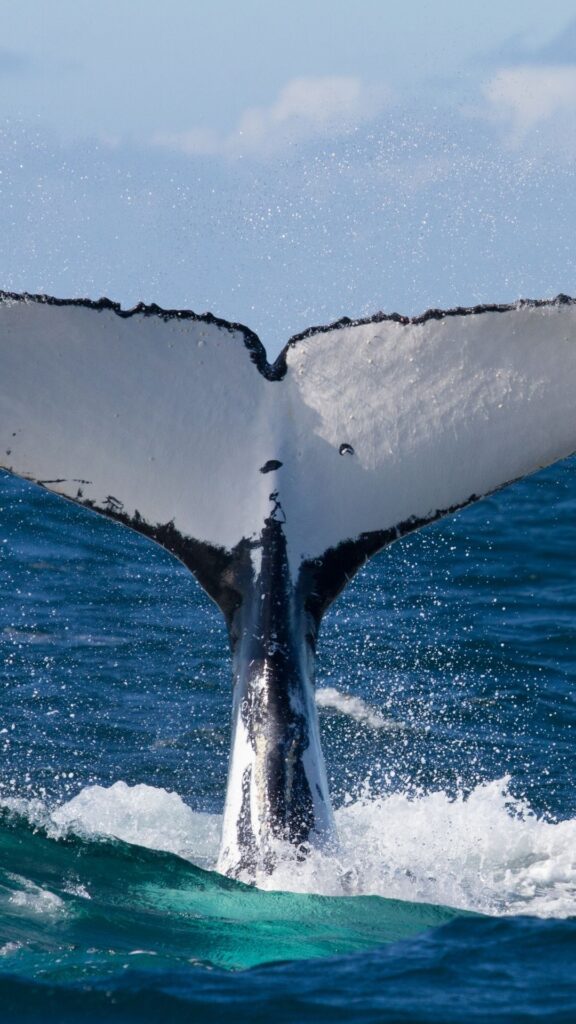
- Tail slapping
- Competitive displays between males
December is ideal for travelers who want fewer crowds while still enjoying excellent whale encounters.
Peak Season (January and February)
January and February are widely considered the best months for whale watching in Puerto Vallarta.
During peak season, the bay hosts the highest concentration of humpback whales.
Visitors commonly witness:
- Mothers with newborn calves
- Multiple whales interacting together
- Spectacular breaches
- Surface displays
- Tail and fin slapping
- Whale songs through hydrophones
December is ideal for travelers who want fewer crowds while still enjoying excellent whale encounters.

What Types of Whales Can You See?
While humpback whales are the stars of the season, they are not the only marine life visitors may encounter.
During a whale watching tour in Puerto Vallarta, you may also see:
- Bottlenose dolphins
- Spotted dolphins
- Sea turtles
- Mobula rays
- Tropical fish
- Seabirds
- Occasionally orcas passing through the bay
Nevertheless, humpback whales remain the primary attraction due to their impressive size and acrobatic behavior.
What Makes Puerto Vallarta Special for Whale Watching?
Many destinations around the world offer whale watching, but Puerto Vallarta stands out for several reasons
Protected Waters of Banderas Bay
Banderas Bay is one of the largest bays in Mexico, offering calm waters that create excellent conditions for observing whales safely and comfortably.
High Whale Concentration
The bay serves as an important breeding and nursery area, resulting in frequent sightings throughout the season.
Close-to-Shore Sightings
Unlike some destinations that require long boat rides, whales in Puerto Vallarta are often spotted relatively close to the coastline.
Ideal Winter Weather
Visitors enjoy warm temperatures, sunny skies, and calm seas while experiencing world-class wildlife viewing.
Responsible Whale Watching Matters
Respecting wildlife is essential to protecting humpback whales and preserving future generations.
Responsible operators follow guidelines that include:
- Maintaining safe viewing distances
- Limiting boat speed near whales
- Avoiding interference with whale behavior
- Respecting mothers and calves
- Operating under authorized permits
Choosing a responsible tour helps ensure that whale watching remains sustainable for both visitors and marine life

Why Choose AdaSailing for Whale Watching?
At AdaSailing, whale watching is about more than simply finding whales.
Our goal is to create a respectful, educational, and unforgettable experience that allows guests to connect with the marine ecosystem of Banderas Bay.
Our whale watching tours include:
- Small groups for personalized attention
- Certified bilingual guides
- Hydrophone equipment to listen to whale songs
- Comfortable vessel with onboard restroom
- Fresh snacks and refreshments
- Educational interpretation throughout the tour
Rather than rushing from sighting to sighting, we focus on creating meaningful encounters while respecting the whales and their environment.
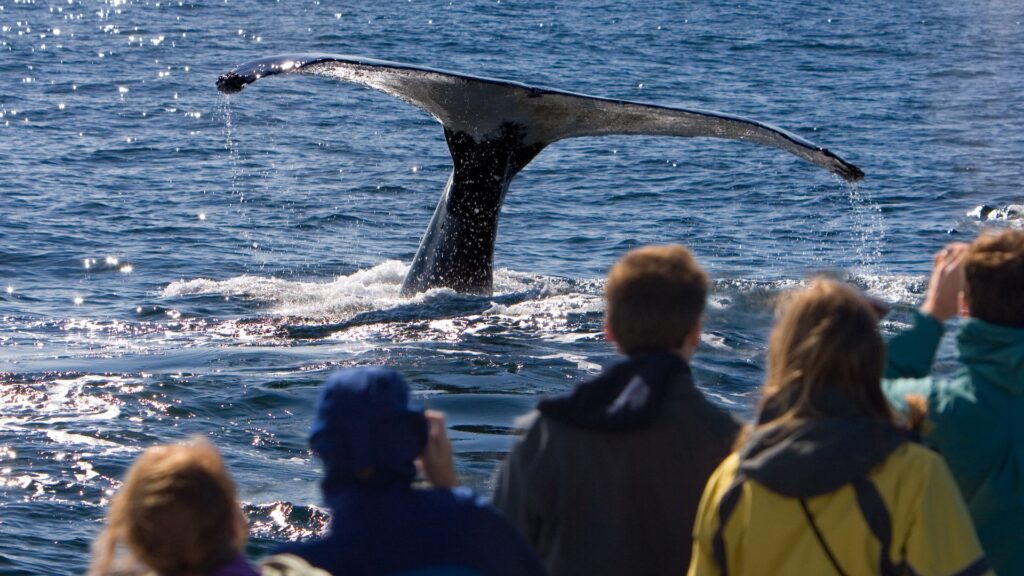
Experience the Magic of Whale Season in Puerto Vallarta
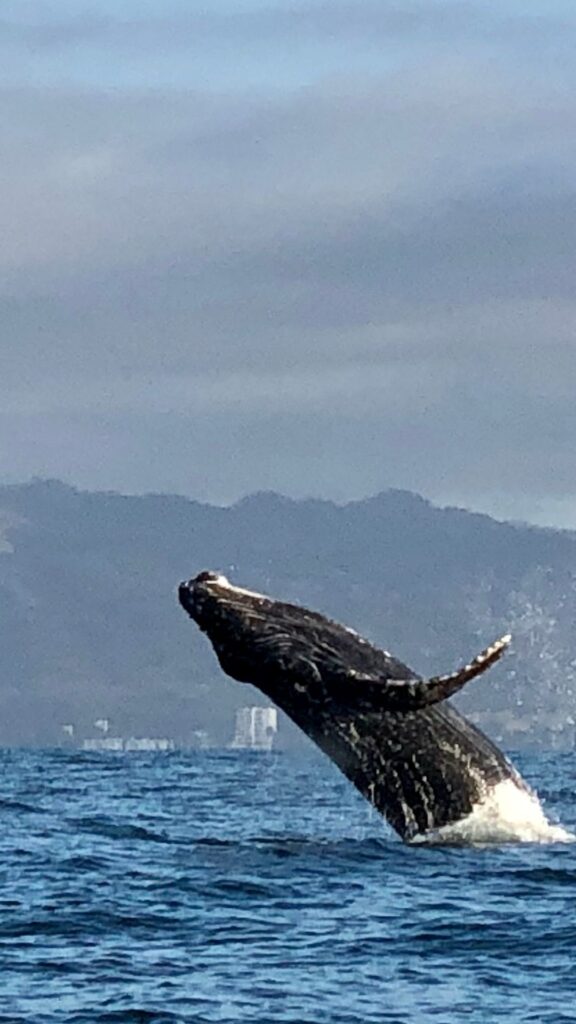
Few wildlife experiences compare to seeing a humpback whale breach against the backdrop of Puerto Vallarta’s coastline.
Whether you’re visiting for the first time or returning to Banderas Bay, whale watching season offers a unique opportunity to witness one of nature’s greatest migrations up close.
From December through March, the waters surrounding Puerto Vallarta transform into a sanctuary for humpback whales, creating unforgettable moments for travelers of all ages.
If you’re planning your winter vacation, there’s no better time to discover why whale watching has become one of the most sought-after experiences in Puerto Vallarta.