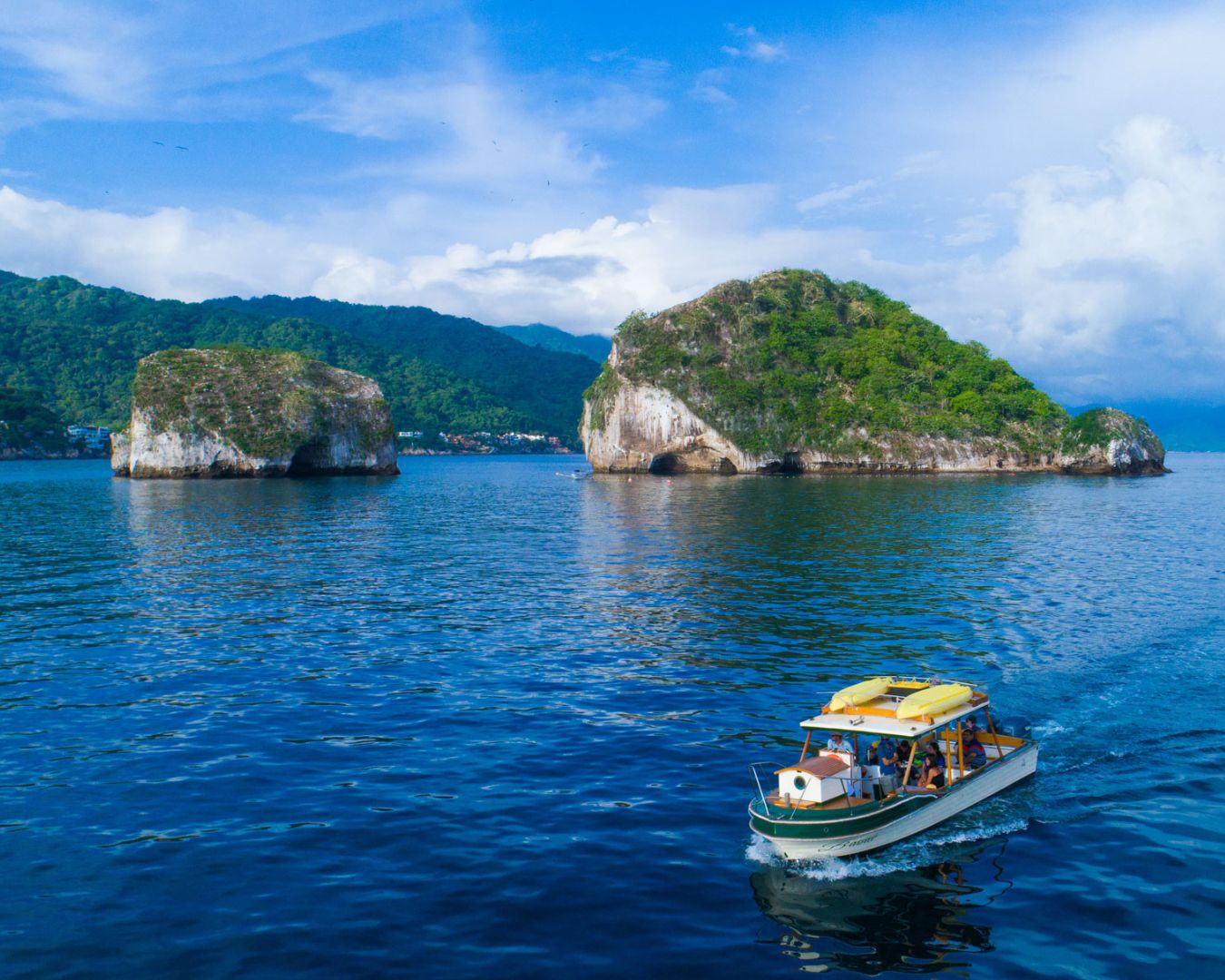
Few places represent Puerto Vallarta better than Los Arcos Marine Park. Rising dramatically from the Pacific Ocean just south of the city, these iconic granite rock formations have become one of Mexico’s most recognizable coastal landmarks.
Whether you’re planning your first trip to Puerto Vallarta or returning to discover more of Banderas Bay, Los Arcos deserves a place at the top of your itinerary. Crystal-clear water, abundant marine life, impressive sea caves, and spectacular coastal scenery make it one of the best places for snorkeling, sightseeing, photography, and wildlife watching.
This guide covers everything you need to know before visiting Los Arcos Marine Park in 2026
What Is Los Arcos Marine Park?
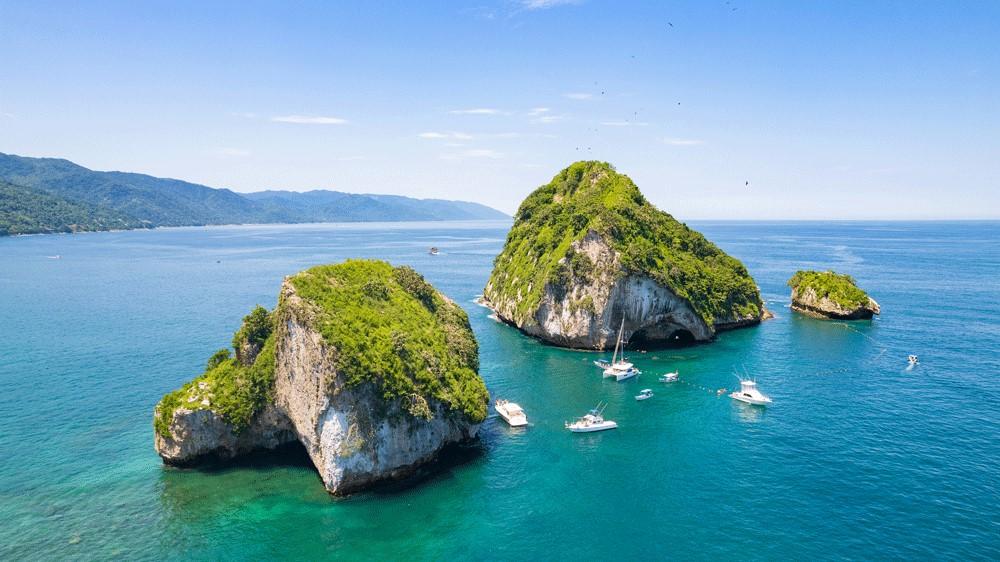
Los Arcos Marine Park is a protected marine sanctuary located just off the coast of Mismaloya, approximately 15 minutes south of downtown Puerto Vallarta by boat.
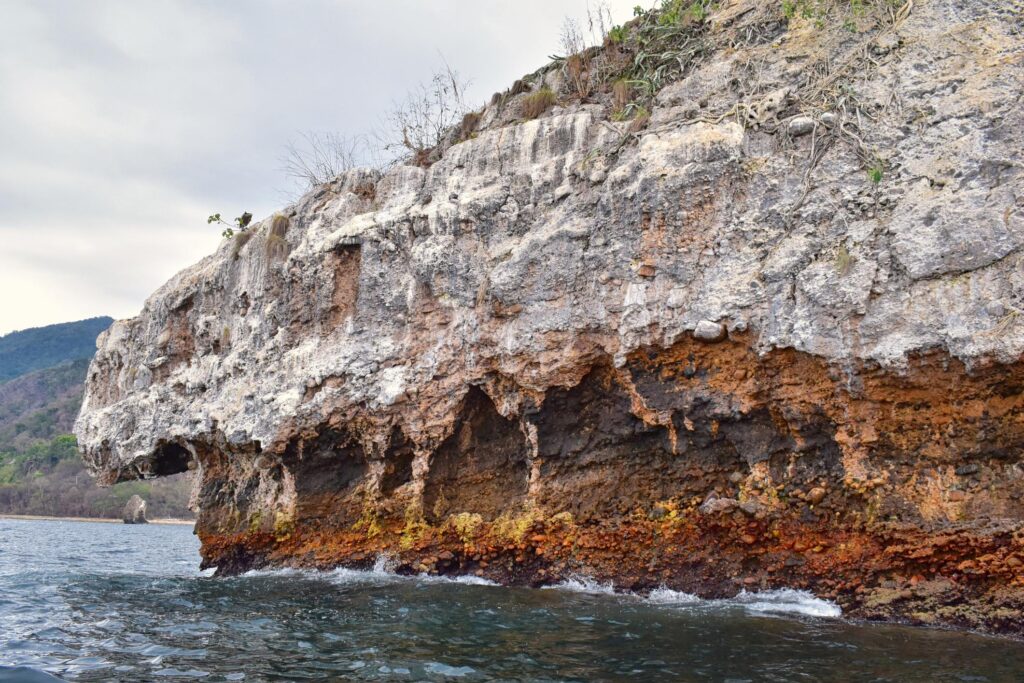
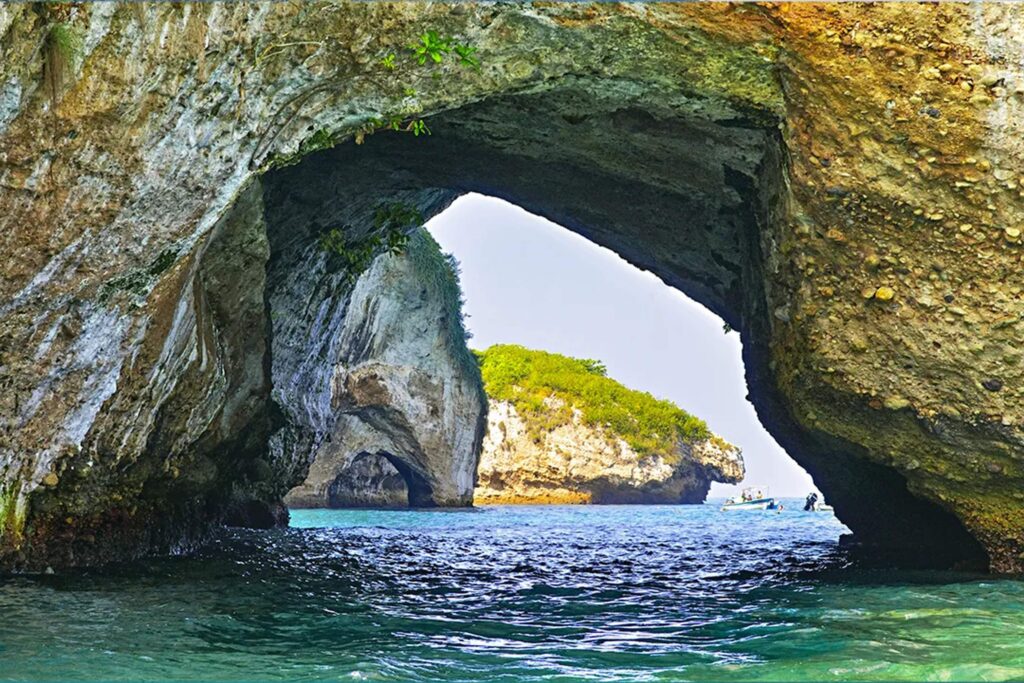
The park takes its name from the enormous granite islands that rise dramatically from the sea. Over thousands of years, waves have sculpted tunnels, caves, natural arches, and towering cliffs, creating one of the most photographed landscapes along Mexico’s Pacific Coast.
Although many visitors simply admire Los Arcos from a distance, the protected waters surrounding the islands are actually home to one of the richest marine ecosystems in Banderas Bay.
Today, Los Arcos is recognized as one of Puerto Vallarta’s most important conservation areas, helping protect coral communities, tropical fish, sea turtles, rays, and hundreds of bird species.
Why Is Los Arcos So Famous?
There are many beautiful beaches around Puerto Vallarta, but very few places combine dramatic landscapes with such extraordinary biodiversity.
Visitors come to Los Arcos because it offers:
- Crystal-clear snorkeling waters
- Protected marine life
- Stunning volcanic rock formations
- Sea caves and natural tunnels
- Excellent photography opportunities
- Seasonal whale watching nearby
- Bird watching
- Calm waters during much of the year
The scenery changes throughout the day as sunlight reflects against the granite cliffs, making every visit unique.
Where Is Los Arcos Marine Park?
Los Arcos is located in southern Banderas Bay near the small village of Mismaloya.
Approximate travel times by boat:
- Marina Los Peines: 20–25 minutes
- Marina Vallarta: 30–40 minutes
- Zona Romántica: 15–20 minutes
- Mismaloya Beach: 5 minutes
Because the park is located offshore, visiting requires a boat.
Private tours provide the greatest flexibility, while some shared excursions include Los Arcos as part of a longer itinerary.
The History Behind Los Arcos
Millions of years ago, volcanic activity formed the massive granite rocks that now stand above the Pacific Ocean.
Over time, wind, tides, and waves slowly carved openings through the rock, creating the spectacular arches that gave the area its name.
As tourism in Puerto Vallarta grew during the second half of the twentieth century, the ecological importance of the area became increasingly evident.
To preserve its fragile ecosystem, the Mexican government established protections that limit certain activities while allowing responsible tourism.
Today, Los Arcos remains one of the country’s most visited marine protected areas

Marine Life You Can See
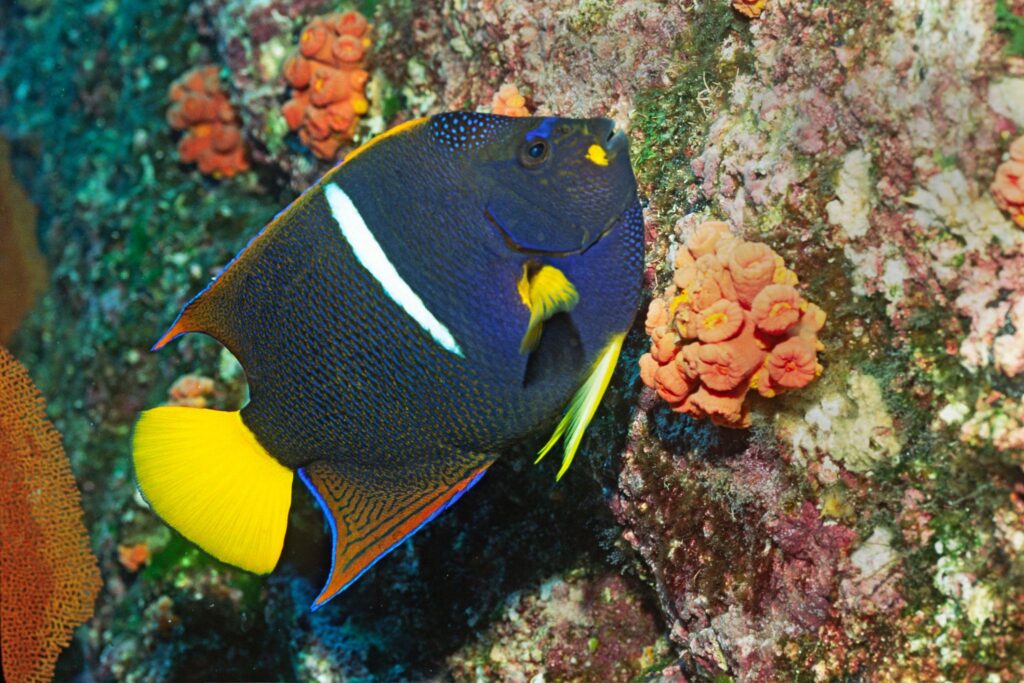
One of the biggest reasons people visit Los Arcos is the incredible underwater biodiversity.
Depending on the season and water visibility, you may encounter:
Tropical Fish
The reefs are home to dozens of colorful species including:
- Angelfish
- Butterflyfish
- Sergeant majors
- Pufferfish
- Parrotfish
- Damselfish
- Triggerfish
Schools of fish are common throughout the protected waters.
Sea Turtles
Several species of sea turtles migrate through Banderas Bay.
Although sightings cannot be guaranteed, turtles occasionally appear near Los Arcos while feeding or traveling along the coast.
Rays
Southern stingrays and eagle rays are sometimes seen gliding over sandy areas near the reef.
Dolphins
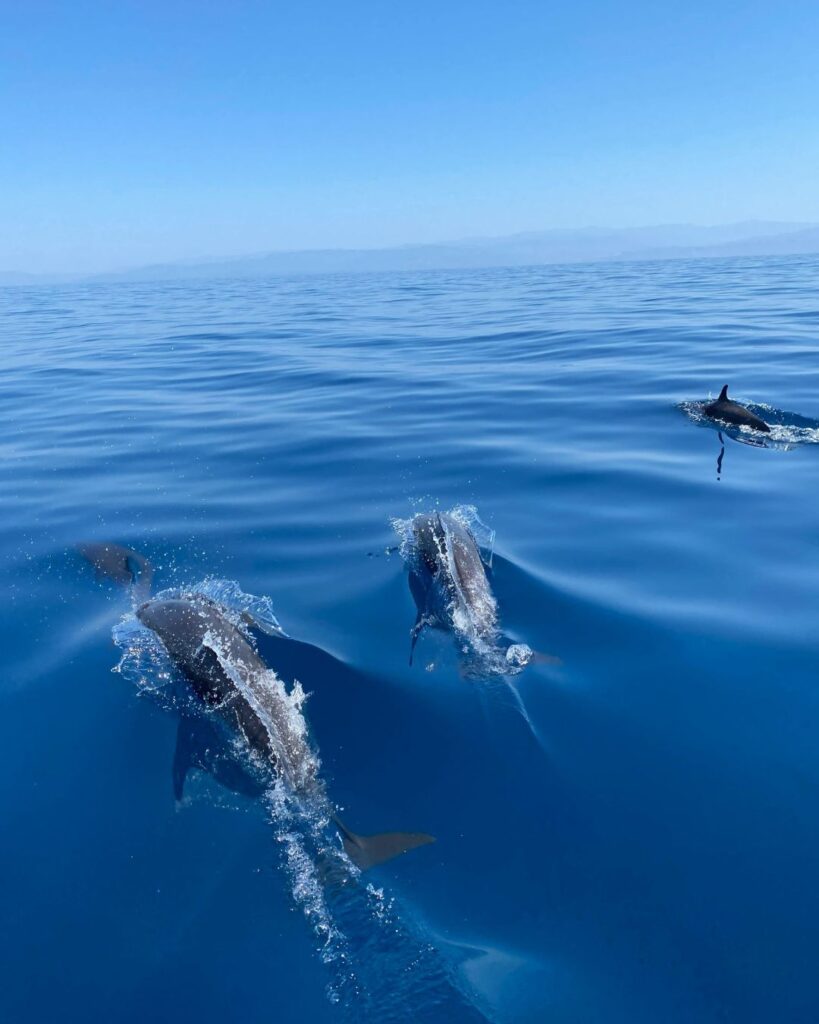
Bottlenose dolphins frequently travel through Banderas Bay and are occasionally spotted during the boat ride to Los Arcos.
Humpback Whales
From December through March, humpback whales migrate to Banderas Bay to breed and give birth.
Many whale watching tours pass near Los Arcos during the season, offering unforgettable opportunities to observe these magnificent animals.
Seabirds
Los Arcos is also an important nesting site for birds such as:
- Blue-footed boobies
- Brown boobies
- Pelicans
- Frigatebirds
- Herons
- Cormorants
Bird enthusiasts often consider Los Arcos one of Puerto Vallarta’s top wildlife destinations.
Is Los Arcos Good for Snorkeling?
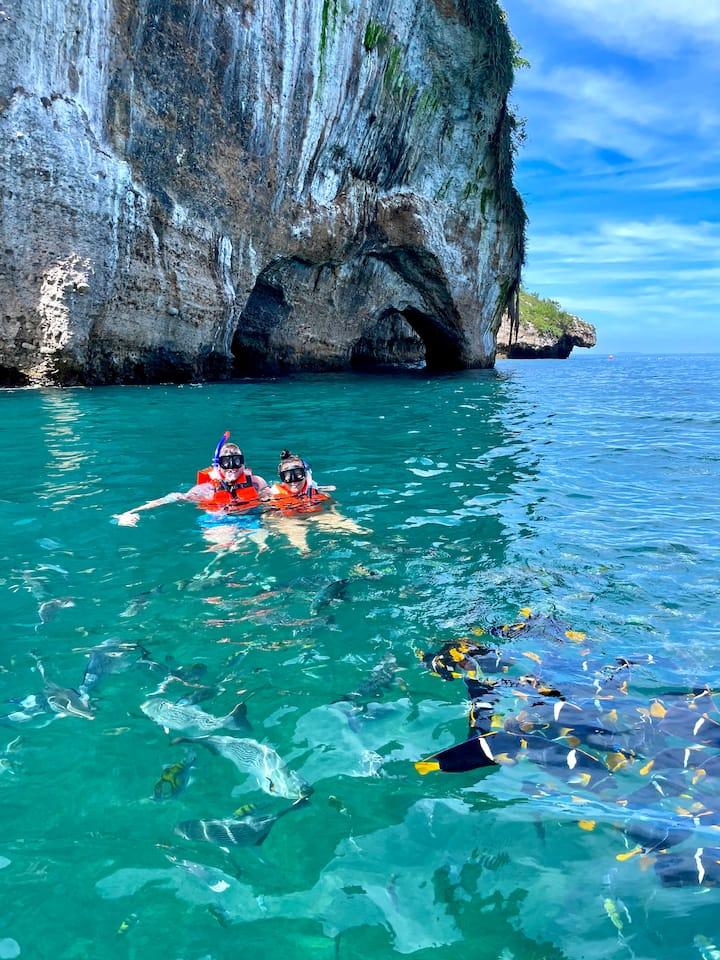
Absolutely. Los Arcos is widely considered one of the best snorkeling locations in Puerto Vallarta.
The protected status of the marine park helps preserve healthy underwater habitats where fish populations thrive.
Visibility varies depending on weather and season, but calm mornings often provide excellent conditions.
Beginners can enjoy snorkeling near the outer reef, while more experienced swimmers can explore additional rock formations under the supervision of certified guides.
Can You Swim Through the Arches?
This is one of the most common questions visitors ask.
The answer depends entirely on sea conditions.
Some of the larger openings may be navigated by small boats during calm weather.
Swimming inside caves or through narrow rock passages is generally discouraged unless specifically authorized by experienced local guides.
Ocean conditions can change rapidly, and safety should always come first.
Why Speedboats Are Perfect for Snorkeling
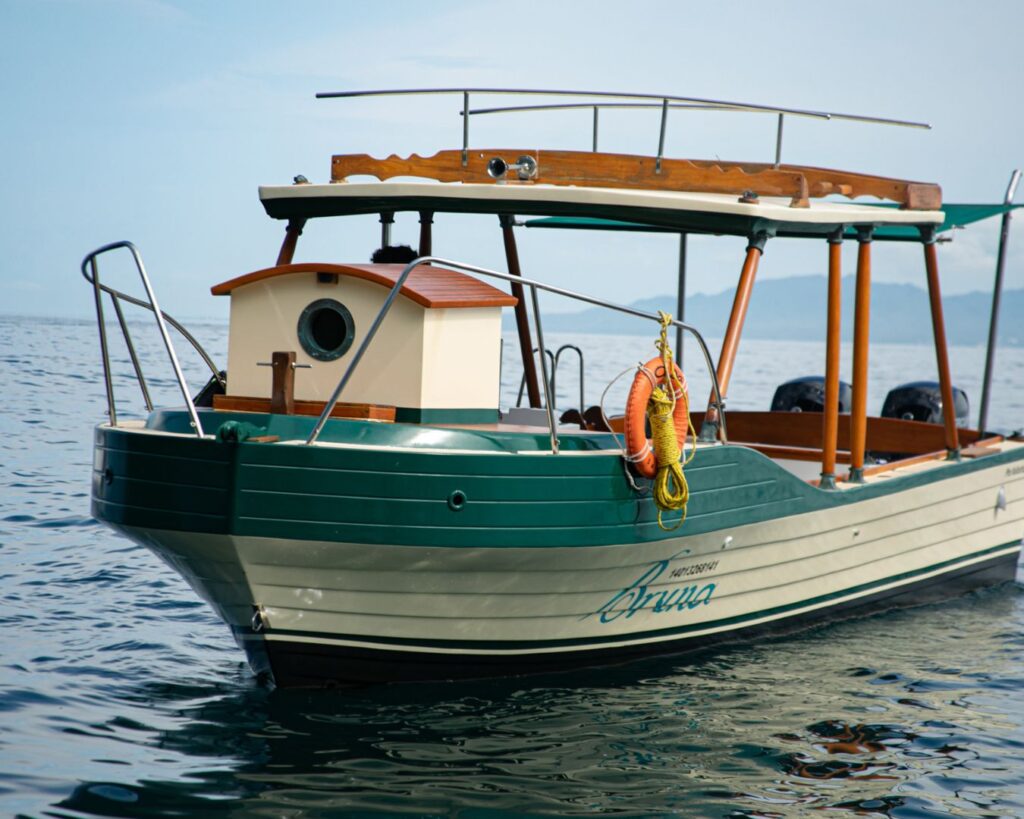
Because speedboats are agile and easy to maneuver, they can reach several snorkeling areas during a single excursion.
Instead of spending most of the day navigating, you’ll spend more time in the water.
Popular snorkeling sites include:
- Los Arcos
- Majahuitas
- Colomitos
- Las Gemelas
- Various seasonal reefs throughout southern Banderas Bay
Marine life commonly spotted includes:
- Angelfish
- Butterflyfish
- Pufferfish
- Rays
- Sea turtles
- Colorful coral formations
Wildlife Encounters Along the Coast
The waters of Banderas Bay are rich in marine life throughout the year.
Depending on the season, you may encounter:
- Dolphins
- Sea turtles
- Flying rays
- Tropical birds
- Humpback whales (December through March)
Because a speedboat can quickly change course, your captain has greater flexibility to safely observe wildlife while respecting local conservation guidelines.
What Should You Bring?
Preparing for a day on the water is simple.
Recommended items include:
- Swimsuit
- Towel
- Reef-safe sunscreen
- Sunglasses
- Hat
- Waterproof phone case
- Light clothing
- Camera
- Cash for optional purchases in coastal villages
Frequently Asked Questions
Is Los Arcos free to visit?
The marine park itself is a protected area, but you’ll need a boat tour or private charter to reach it.
Can beginners snorkel at Los Arcos?
Yes. Calm conditions and proper guidance make it suitable for first-time snorkelers.
Is Los Arcos suitable for children?
Absolutely. Many family-friendly tours include snorkeling and sightseeing suitable for children, provided they wear appropriate safety equipment and follow the crew’s instructions
Are there sharks at Los Arcos?
Small reef sharks may occasionally inhabit deeper waters, but they are not considered dangerous to visitors. Encounters are uncommon and are typically observed only by divers.
Can I visit Los Arcos without a tour?
Because Los Arcos is offshore, you’ll need access by boat, whether through a guided excursion, water taxi, or private charter
Los Arcos Marine Park is far more than Puerto Vallarta’s most recognizable landmark. It’s a living marine sanctuary where towering granite islands, vibrant underwater ecosystems, and unforgettable coastal scenery come together to create one of the region’s most rewarding experiences.
Whether you’re snorkeling among colorful tropical fish, photographing dramatic sea arches, watching seabirds soar overhead, or simply enjoying the journey across Banderas Bay, Los Arcos offers a deeper connection with the natural beauty of Mexico’s Pacific coast.
If you’re planning a trip to Puerto Vallarta in 2026, this protected marine park deserves a spot on your itinerary. Visiting with a knowledgeable local crew and respecting the environment ensures not only a memorable adventure but also helps preserve this extraordinary destination for years to come.